The Rhythm of Kaiseki: Harmony in Ten Modest Courses
Published by 111111 Editorial Staff • 7 min read
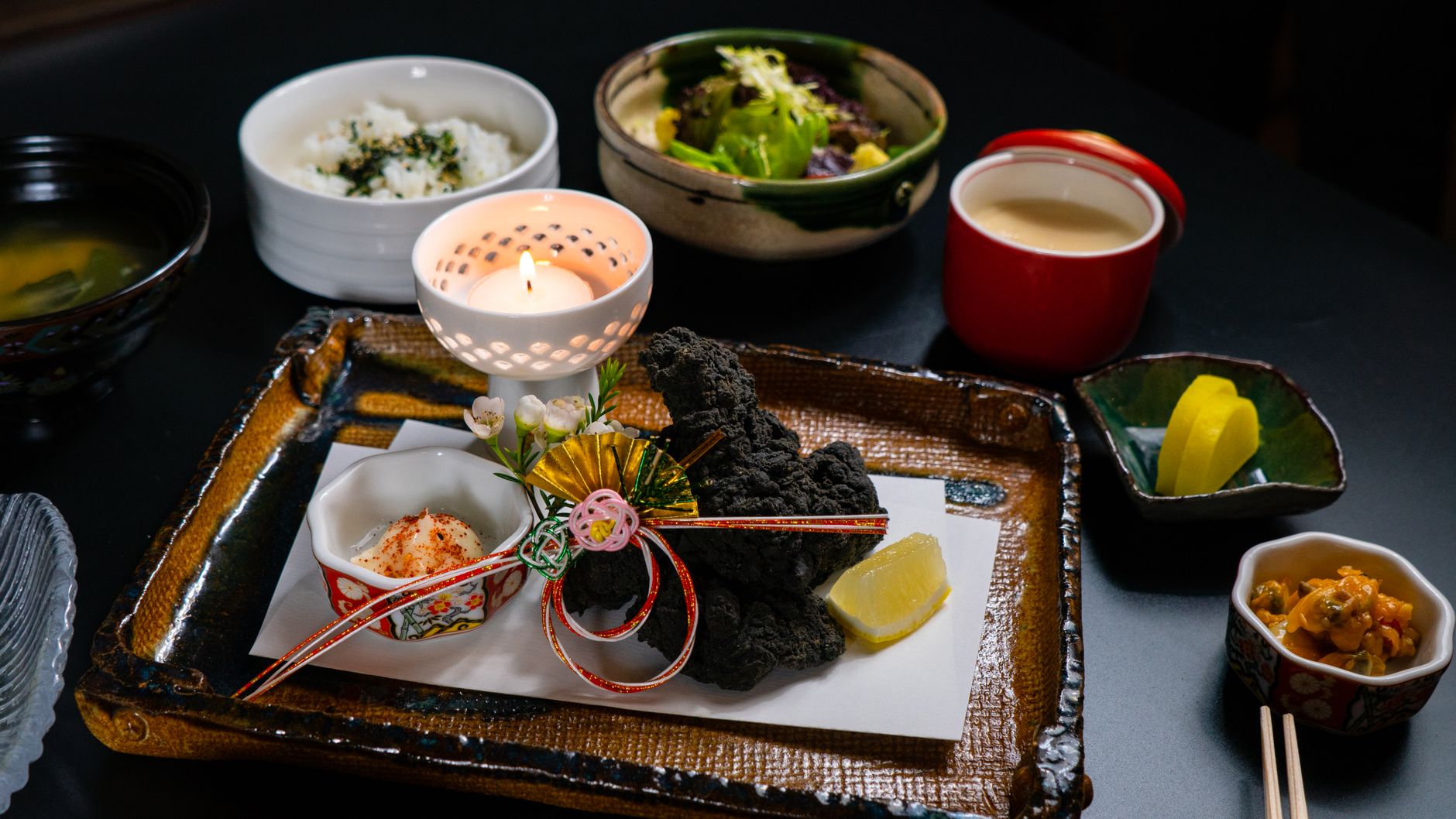
Kaiseki is not merely dinner; it is an astronomical calendar translated into edible ceramics and seasonal delicacies.
In Kyoto, dining is never divorced from the garden outside the shoji screen. At a centuries-old ryokan along the base of Mount Hiei, each meal is designed to reflect the subtle changes of twenty-four micro-seasons recognized in traditional Japanese ecology.
1. The Architecture of the Meal
The progression of courses follows an ancient cadence: Sakizuke (an appetizer that greets the palate), Hassun (the centerpiece course setting the seasonal tone), Mukōzuke (seasonal sashimi sliced to honor the fish's grain), and onwards toward clear broths that cleanse the palate.
Each dish arrives on ceramics selected to match the time of year: coarse earthenware in late autumn to retain heat, delicate frosted glassware in high summer to convey cooling breezes.
2. The Mastery of Dashi
At the center of every sauce and broth lies dashi—the fundamental stock made from aged kombu kelp and gently shaved bonito flakes. It is a lesson in restraint: no heavy cream, no overpowering spices, only pure umami extracted at exacting temperatures.
By removing distractions, the subtle sweetness of simmered lotus root or the mild bitterness of wild spring mountain greens emerges in breathtaking clarity.
Curate Your Culinary Pilgrimage
Gain access to private dining rooms and historic ryokans across Kyoto, Kanazawa, and Nara.
Plan Your Culinary Journey